
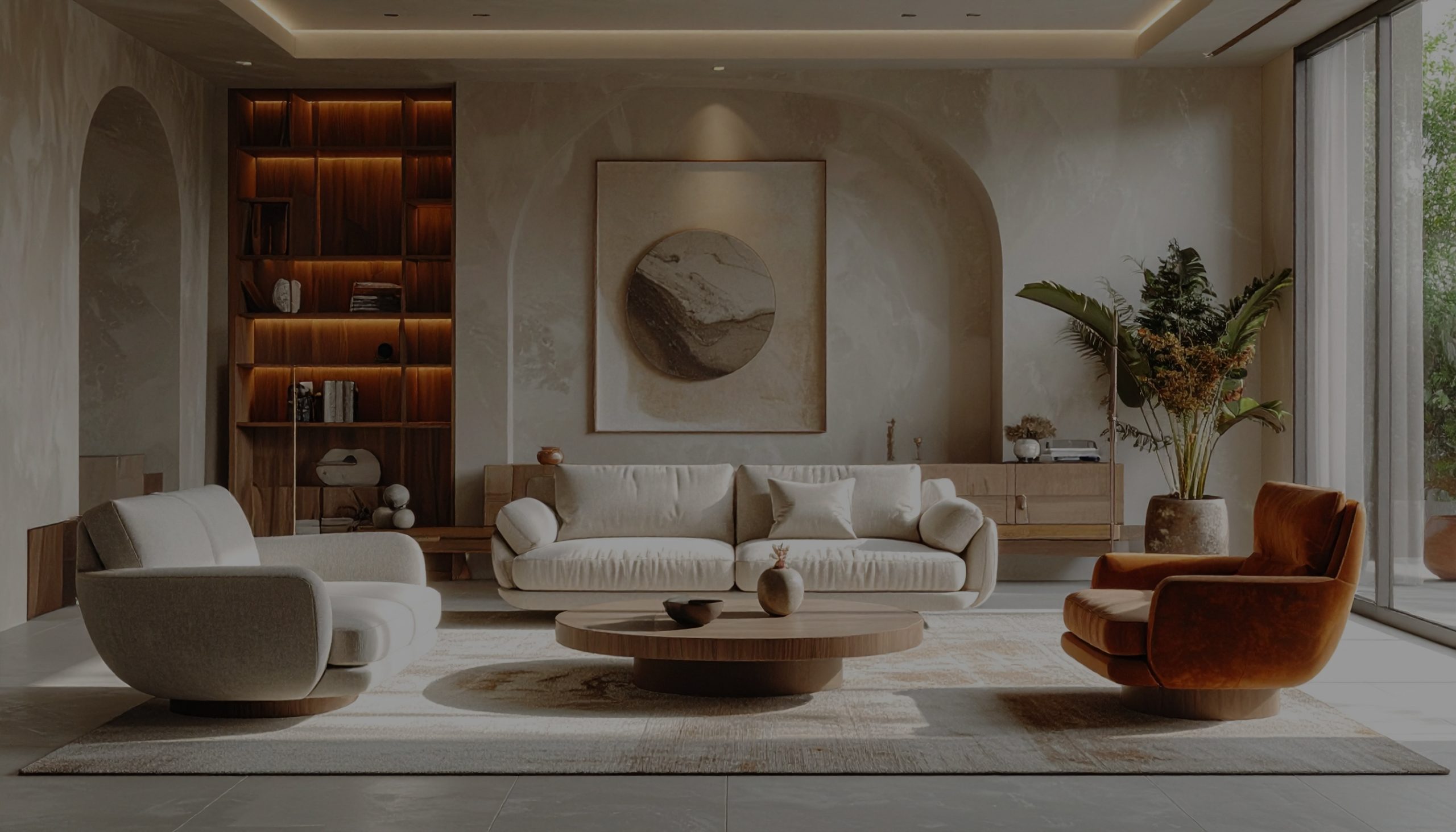
Product Rendering vs Photography: Key Differences
In today’s competitive e-commerce and retail landscape, product presentation can make or break a purchase decision. Businesses often face the choice between traditional product photography and advanced 3D product rendering. While both aim to showcase products effectively, understanding their differences, advantages, and use cases is crucial for manufacturers, retailers, and marketing teams.
What Is Product Photography?
Product photography involves capturing physical items using cameras, controlled lighting setups, and post-production editing. For decades, it has been the cornerstone of advertising and retail, providing visuals that showcase products in a tangible and authentic way.
Key Characteristics of Product Photography
- Physical requirement: Products must exist and be available for shooting.
- Controlled environment: Lighting, background, and angles are meticulously arranged to produce high-quality images.
- Post-processing: Editing, retouching, and color correction enhance the final visuals.
Strengths and Limitations of Product Photography
While product photography delivers unmatched realism, it also comes with practical limitations—particularly when products have multiple variants or need to be presented across dynamic digital channels. This challenge is especially pronounced for bulky furniture, such as sectional sofas and tables, which are difficult to photograph from every configuration or angle without extensive space, staging, and resources.
| Strengths | Weaknesses | |
| Realism: Captures true texture, color, and details of a product. | Costly for multiple variants: Reshoots are expensive for each color, size, or configuration | |
| Trust and credibility: Consumers perceive photos as authentic | Time-consuming: Studio setups, lighting, and editing take significant time | |
| Established processes: Familiar workflows and studio setups | Limited flexibility: Difficult to create interactive or immersive experiences | |
| Strong storytelling potential: Ideal for lifestyle or editorial shots | Static content: Cannot easily adapt to online configurators or AR/VR without additional resources |
By understanding these characteristics, strengths, and limitations, brands can strategically leverage product photography where it delivers the most value—while combining it with modern alternatives like 3D rendering and AI-powered solutions to generate multiple lifestyle images quickly, achieving both authenticity and flexibility in their visual marketing strategy.

What Is 3D Product Rendering?
3D product rendering is the process of creating lifelike digital images from a virtual model using computer-generated imagery (CGI). By combining 3D modeling, materials & textures, lighting, and camera simulation, brands can produce photorealistic visuals that showcase products with remarkable accuracy—even before they physically exist.
Key Characteristics of 3D Rendering
- Virtual-first: Products can be rendered before physical production, enabling pre-launch marketing and concept testing.
- Infinite flexibility: Variations in color, material, configuration, and context can be generated quickly, without reshooting.
- Integration-ready: Renderings can be embedded in e-commerce websites, AR experiences, VR platforms, or interactive product configurators.
Strengths and Limitations of 3D Product Rendering
3D rendering offers unique advantages over traditional photography, especially for products with multiple variants or a need for interactive online experiences. 3D rendering offers unique advantages over traditional photography, especially for products with multiple variants or a need for interactive online experiences. This is particularly valuable in the furniture industry, where items like modular sofas, configurable shelving, or sectional pieces come in numerous layouts, fabrics, and finishes that would be costly and time-consuming to photograph individually. However, it also requires investment in modeling and technical expertise.
| Strengths | Weaknesses | |
| Cost efficiency for variants: One <a href=/en/3d-service/3d-product-modeling/>3D model</a> can produce hundreds of images without reshoots | Initial investment: High-quality modeling and rendering require <a href=/en/questionnaire/>skilled designers</a> and software | |
| Unlimited perspectives: Rotate, zoom, and animate to reveal product details | Learning curve: Teams may need training to manage 3D assets and integration | |
| Enhanced customer experience: Supports AR, VR, and interactive configurators | 1Less tactile realism: While photorealistic, some consumers may still trust physical photos more | |
| Future-proof marketing: 3D assets can feed multiple digital channels | Technical requirements: High-resolution models may need optimization for fast online performance |
By understanding these characteristics, strengths, and limitations, brands can strategically leverage 3D product rendering to showcase complex, customizable, or pre-production products. Its flexibility, interactivity, and scalability make it an essential tool for modern e-commerce, empowering brands to engage customers, accelerate marketing campaigns, and create digital experiences that go far beyond what traditional photography alone can achieve.

Direct Comparisons: Photography vs 3D Rendering
| Feature | Product Photography | 3D Product Rendering | |
| Physical Product Required | Yes | No (can render prototypes) | |
| Flexibility for Variants | Limited, costly | Unlimited, low additional cost | |
| Customization | Hard to personalize on-the-fly | Real-time configurators possible | |
| Time-to-Market | Dependent on product availability and shoot schedules | Can produce assets pre-launch | |
| Interactivity | Static images | Real-time configurators possible | |
| Cost for Multiple Variants | High | Significantly lower after initial modeling | |
| Interactivity | Static images | Built into rendering process, highly controllable |
Real Impact: 3D Rendering & AR in Furniture E-Commerce
Furniture retailers incorporating 3D product visualization and AR features have experienced:
- Up to 500% increase in conversion rates due to enhanced customer engagement and confidence in product fit.
- Up to 64% reduction in product returns, as customers can accurately visualize how furniture fits and looks in their actual living spaces.
Why Modern Brands Are Choosing 3D Rendering
Forward-thinking brands are increasingly adopting 3D rendering to meet the demands of digital-first shopping.
| Benefit | Impact | |
| Customization: Customers can explore layouts, fabrics, and finishes in real time, building confidence before purchase | Higher engagement & confidence | |
| Faster time-to-market: Products can be marketed before physical production, accelerating campaigns | Faster campaigns & feedback | |
| Scalability: One 3D asset can serve multiple channels—websites, AR apps, catalogs—while supporting new variants instantly. | Reduced cost & faster updates | |
| Immersive experiences: Interactive configurators and AR/VR visualizations enhance engagement and reduce returns. | AR/VR experiences & conversions |
And while there is a higher initial investment in creating detailed 3D product models, the long-term value is significant—especially for furniture brands. These models can be reused across multiple applications: 360° product views for online stores, interactive configurators for customizable sofas or modular shelving, 3D assembly instructions, 3D animations for promotional videos, and even AR room visualizations that let customers see how pieces fit in their space. By investing upfront, brands not only streamline content production but also unlock versatile assets that support marketing, sales, and customer experience across channels for years to come.

Maximizing Impact: How to Decide Between Photography and 3D Rendering
Choosing between product photography and 3D rendering isn’t about picking one over the other—it’s about aligning the visualization method with your product, marketing goals, and customer experience. Each approach has distinct advantages depending on the type of product, the level of customization offered, and how it will be presented across digital and physical channels. Understanding these nuances helps brands maximize impact, reduce costs, and deliver an engaging shopping experience that drives conversions.
| Product / Scenario | Photography | 3D Rendering | Recommended Strategy |
| Single variant, static products | ✅ Captures real texture and color | ⛔️ Less efficient for static items | Use photography for hero images; optional 3D for additional digital use |
| Modular or customizable products | ⛔️ Difficult to photograph every combination | ✅ Ideal for interactive configurators | Use <a href=/en/blog/3d-product-configurators-explained/>3D for configurators</a>, online previews, and AR placement |
| Pre-launch or conceptual products | ⛔️ Product doesn’t exist yet | ✅ Render before production | 3D rendering allows marketing campaigns before physical production |
| Lifestyle / editorial content | ✅ Showcases real context and emotion | ⛔️ Limited storytelling impact | Photography remains best for lifestyle shots or print campaigns |
| Immersive digital experiences | ⛔️ Static images only | ✅ AR/VR-ready, interactive 360° | 3D rendering enables engagement and higher conversion online |
| Frequent variant updates | ⛔️ Costly & time-consuming | ✅ Easily update colors, fabrics, and modules | 3D reduces reshoot costs and speeds up digital asset management |
In most modern e-commerce scenarios, a hybrid strategy offers the best results. Photography can deliver authentic hero images that build trust and support branding, while 3D rendering powers dynamic online experiences, interactive configurators, and scalable content management. Combining both ensures that your visuals are engaging, flexible, and ready for both digital-first marketing and traditional campaigns.
Conclusion
Both product photography and 3D rendering are powerful tools, but they serve different purposes. Photography offers tangible realism and credibility, while 3D rendering delivers flexibility, interactivity, and scalability for the digital age.
For manufacturers and retailers looking to maximize their digital presence, integrating high-quality 3D renderings into their e-commerce and marketing strategies is no longer optional—it’s a strategic necessity.
By creating interactive 3D assets, businesses can showcase every product variant, empower customers with immersive experiences, and drive conversions—all while reducing production and marketing costs.
 Beds & Headboards furniture
 Chairs & Seating furniture
 Tables & Desks furniture
 Storage & Organization furniture
 Sofas & Couches furniture